Where Ningaloo reef snorkelling starts
At Ningaloo you can walk into the water from the beach and reach the reef in places. That is why the coast is popular, and also why the details matter. Three beach spots in Cape Range National Park come up most: Turquoise Bay, Oyster Stacks and Lakeside. All three have limits on tide, current or entry, and none of them has regular ranger patrols or lifeguards.
Treat every spot as conditions-dependent. The park authority (DBCA) asks you to read the local hazard signs and to judge your own ability. Never snorkel alone.
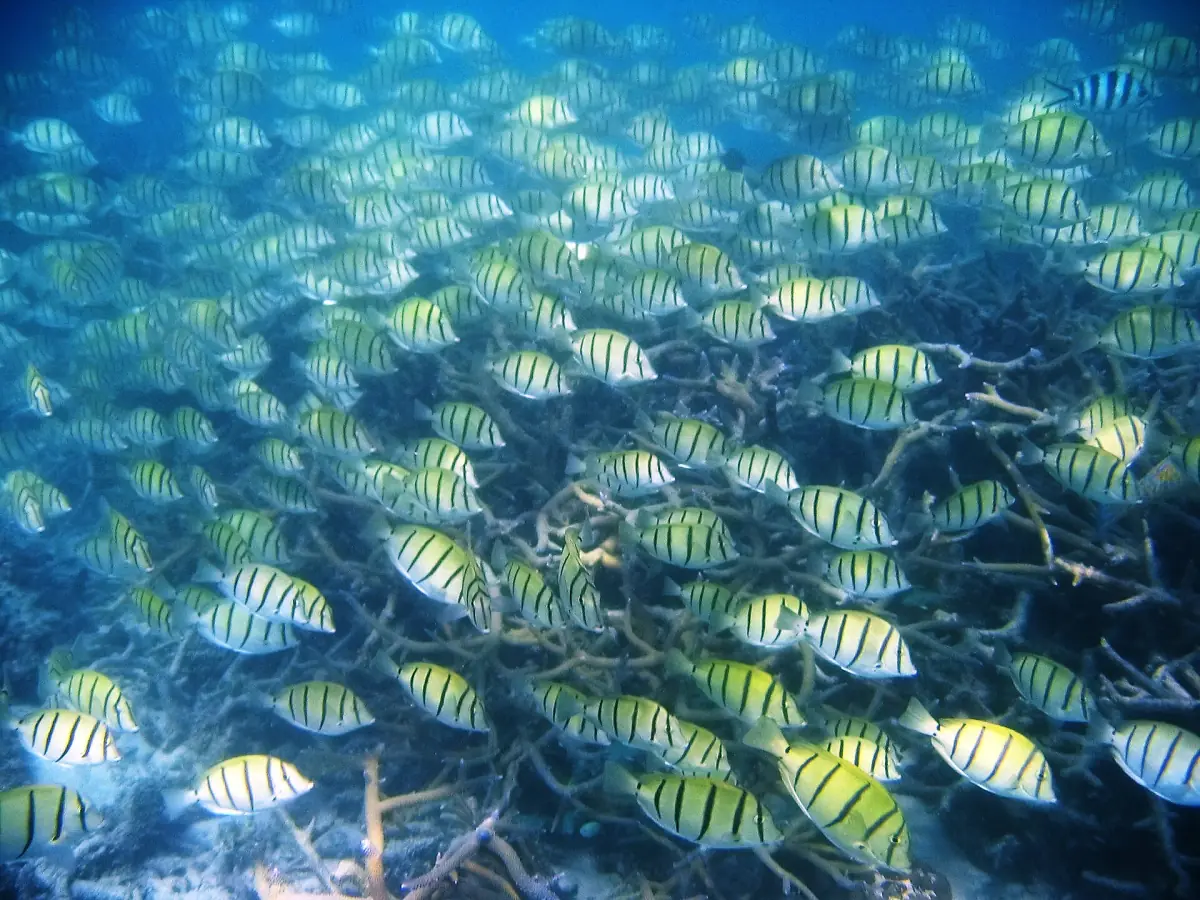
Beach snorkelling spots compared
Based on the park authority's descriptions of each site.
| Spot | Condition that matters | Main risk |
|---|---|---|
| Turquoise Bay (Bay Loop) | Local currents and signs | Strong current near the sand spit |
| Turquoise Bay (Drift Loop) | South-to-north drift, entry after about 200 m walk south | Strong current, no regular ranger patrols |
| Oyster Stacks | High tide of at least 1.2 m | Sharp, slippery rocks, shells and coral rubble at entry, plus current and swell |
| Lakeside | Area between the beach and the yellow buoys | Currents, flooding after heavy rain or very high tides |
None of these descriptions clears a beach for a given day. If a sign says to stay out, stay out.
Our picks: snorkelling tours
A short turtle-focused trip, a full day with lunch and a lagoon trip by kayak.
Hand-picked tours, booked through GetYourGuide. Prices are indicative starting prices in Australian dollars (as of October 2026). Tap a tour for live availability and the current price in your currency.
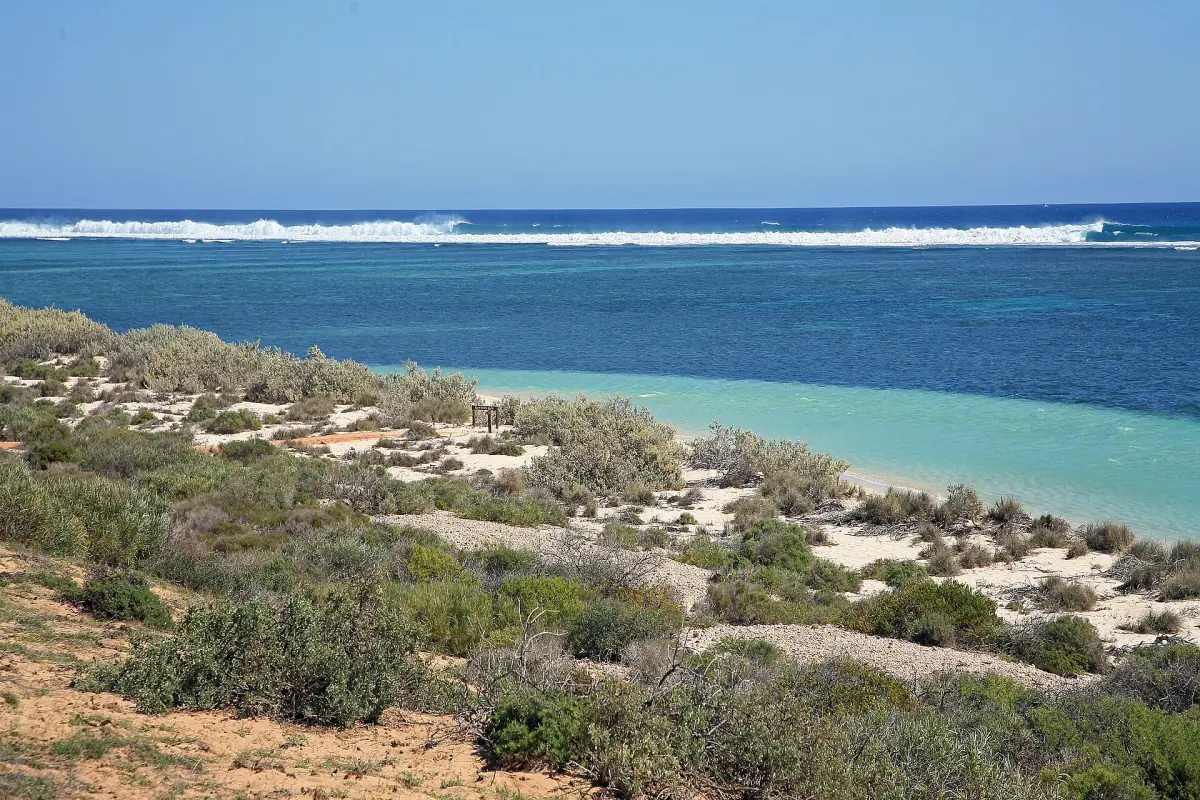
Full-day lagoon kayak and snorkel tour
Eight hours in a double sea kayak with snorkelling gear, morning tea, lunch, national park entry and hotel transfer. Not suitable for under-12s.
Check availability →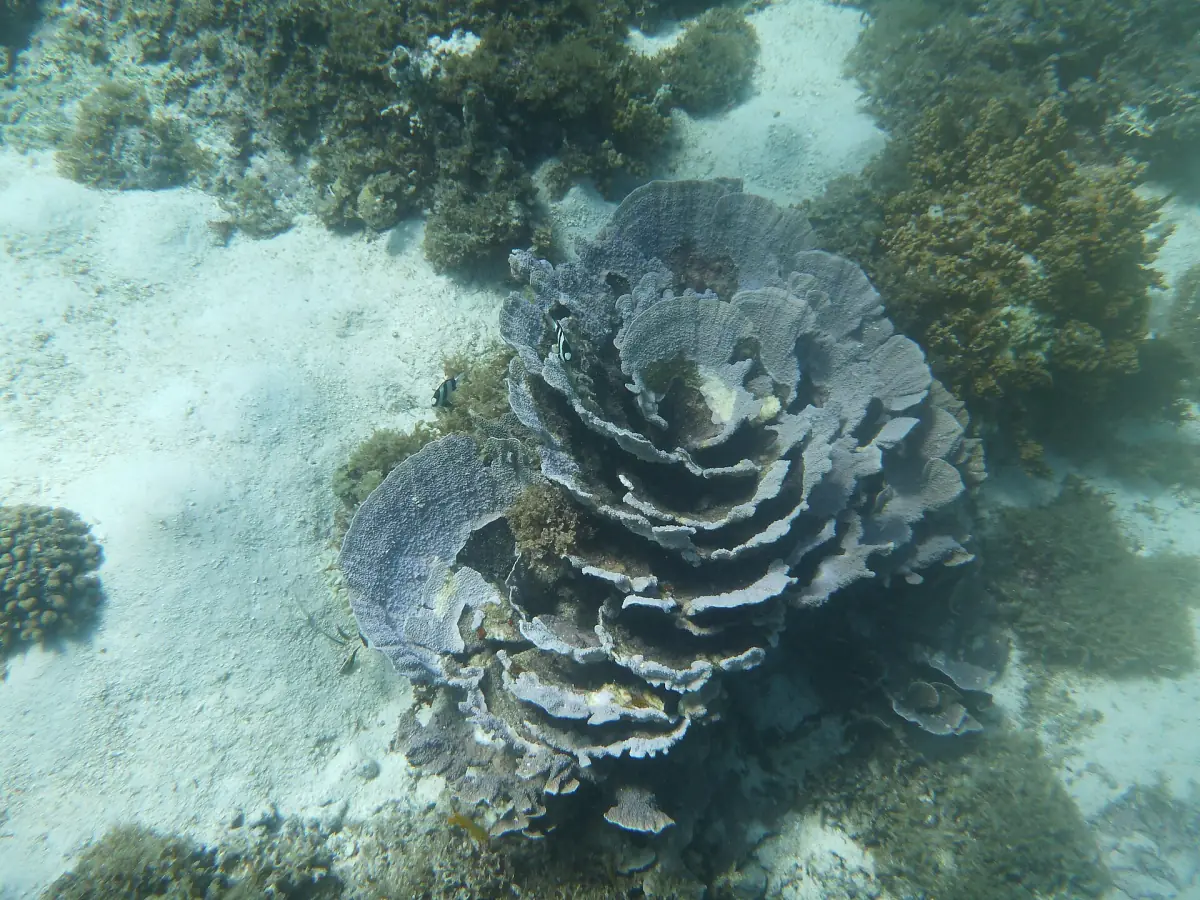
Guided full-day snorkel adventure on the reef
Seven hours with guide photos, snorkelling gear including a seasonal wetsuit, snacks, a picnic lunch and hotel transfer. Sunscreen and a towel are not included, and at least four people are needed for it to run.
Check availability →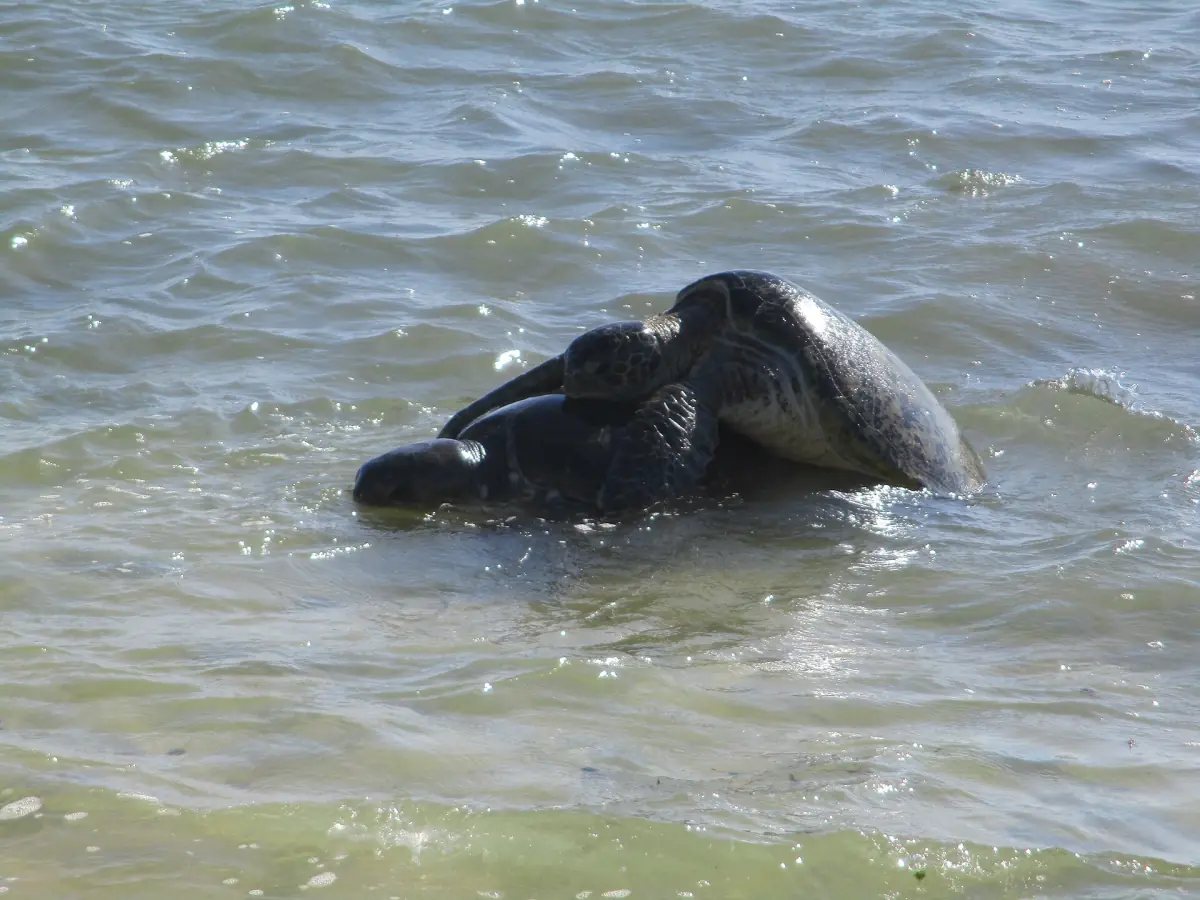
Reef snorkel trip with turtle focus
Two and a half hours with one or two snorkel stops, snorkelling gear, snacks and transfer from set pick-up points. A wetsuit is not included.
Check availability →Ningaloo snorkel tours
Boat trips and guided snorkels on the reef, with live prices and availability.
Oyster Stacks: high tide only
A strict tide rule decides whether you get in.
Tide
Snorkel here only at high water with at least 1.2 m of tide. Do not go at low tide. Check tide heights and times at the Milyering Discovery Centre before you go.
Entry
The entry has sharp and slippery rocks, shells and coral rubble. Wear proper reef shoes, not bare feet.
Current and swell
Strong current and swell are possible here too. Do not snorkel alone, and get out if the water feels stronger than you expected.
Protection
Oyster Stacks is a Sanctuary Zone. Look, but do not touch or take anything.
Drift snorkelling at Turquoise Bay
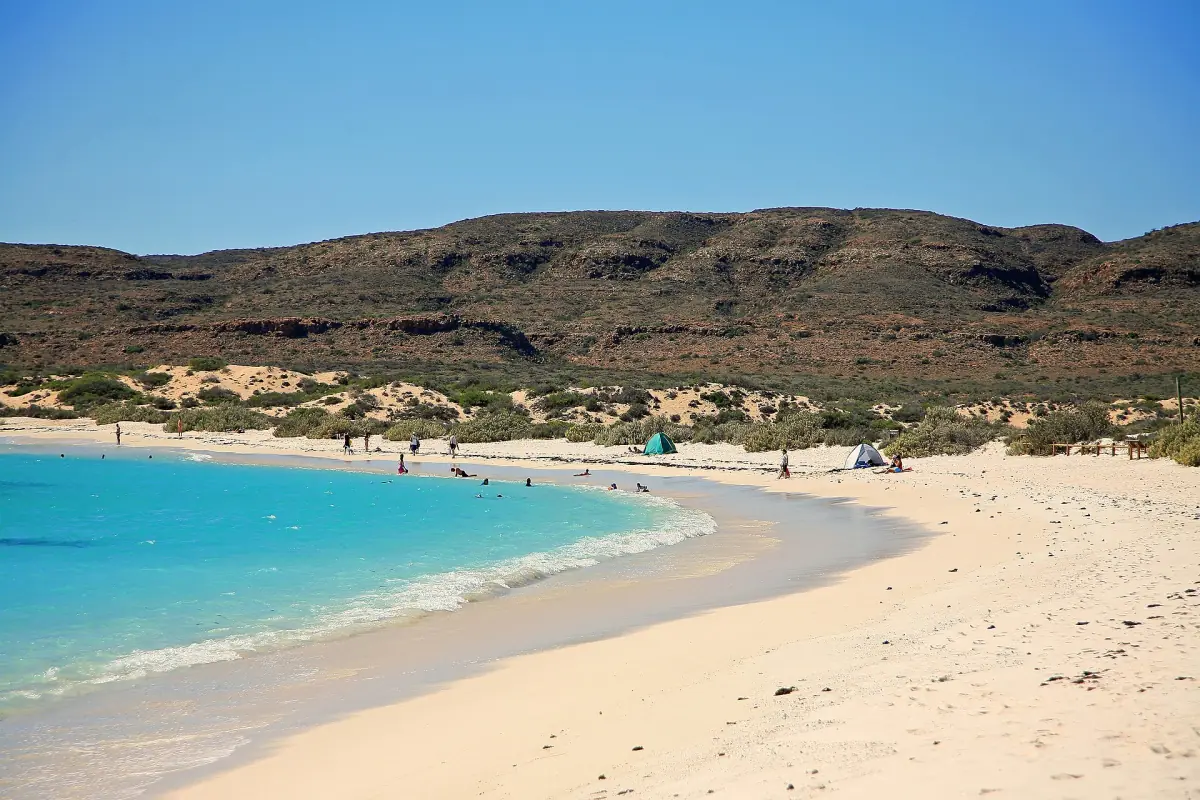
Turquoise Bay is the best known beach spot. The park authority describes a Bay Loop for the northern part of the bay and a Drift Loop for the area south of the sand spit. On the drift you enter after a walk of about 200 m to the south and float north with the current.
The same current is the hazard. Strong currents are possible, especially around the sandbar and sand spit between the two loops. In strong currents stay at or near the beach. People without experience should not swim or snorkel there. Read the full Turquoise Bay guide before you go.
Lakeside, rules and stingers
What to know before you get in.
Lakeside
Walk about 500 m south along the beach to the sanctuary marker. The snorkel area lies between the beach and the yellow buoys. Currents are possible, and the area can flood after heavy rain or very high tides. All marine life is protected, so observe and do not touch.
Calm water is not guaranteed
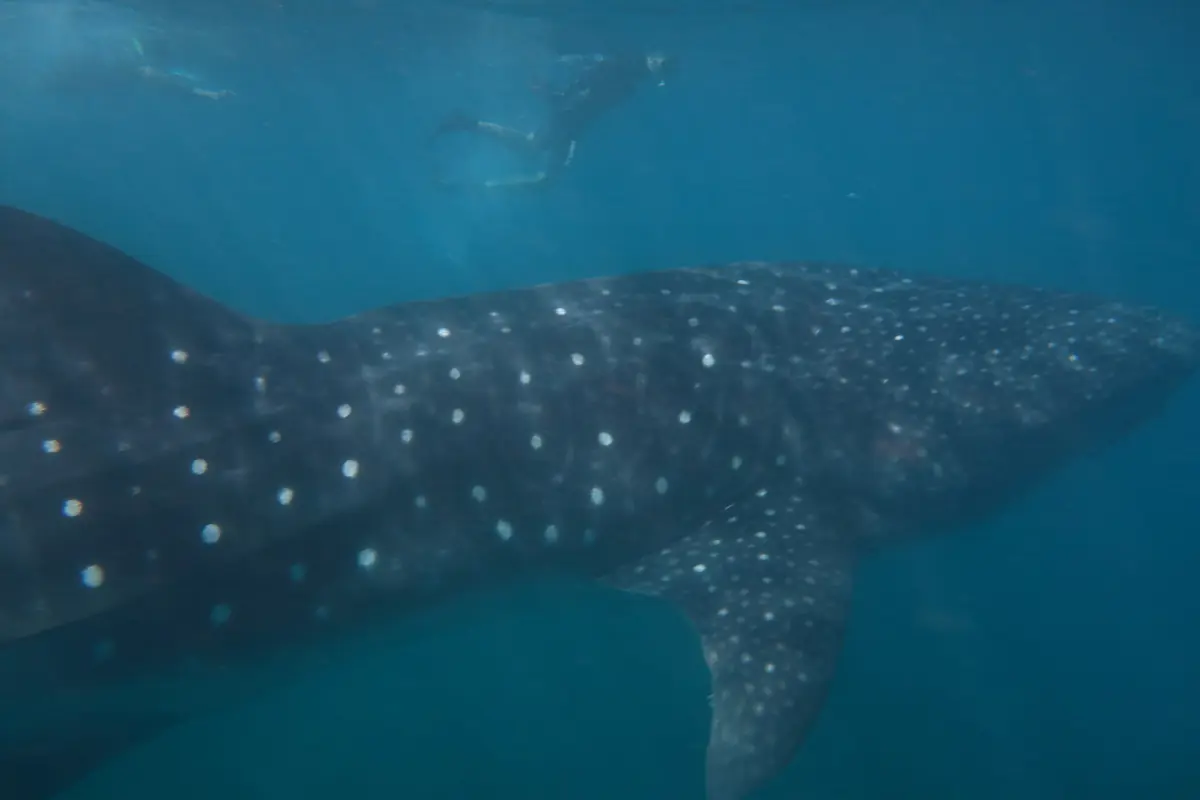
A protected area is not automatically free of current. Swims with big animals usually take place in open sea, which is a different setting from quiet beach water.
Stingers
Dangerous jellyfish can occur, especially from November to April. Ask locally before you get in during those months.
Warnings and closed signs
A site description does not replace a weather warning or a closure sign. Follow the sign on the day.
Fees, gear and information
Prices are the published amounts for 2026.
| Item | Detail |
|---|---|
| Park entry, vehicle up to 12 occupants | A$17 per vehicle, A$10 concession (page updated 20 August 2026) |
| Park entry, motorcycle | A$10 |
| Annual All Parks Pass | A$130, valid 12 months |
| On foot or by bicycle | No park entry fee |
| Ningaloo Marine Park entry | Free, but this does not replace the vehicle fee for Cape Range |
| Milyering Discovery Centre | Open daily 09:00–15:45, closed on Christmas Day, about 54 km from Exmouth |
Milyering has exhibits, visitor information, a shop and snorkel hire. It is the place to check tides for Oyster Stacks. See the Cape Range National Park guide for passes and camping.
What condition is the reef in?
Be realistic about what you will see.
A marine heatwave in 2024/25 caused serious coral bleaching. The Australian Institute of Marine Science reported high bleaching and mortality categories of 31 to 60 percent at surveyed Ningaloo sites in May 2025, especially Tantabiddi and Jurabi. Bleaching is not the same as death, and corals can recover, but a fully recovered reef cannot be assumed. In April 2026 a model for Cyclone Narelle also pointed to likely severe damage on the northern reef. That was a model, not a survey of the whole reef.
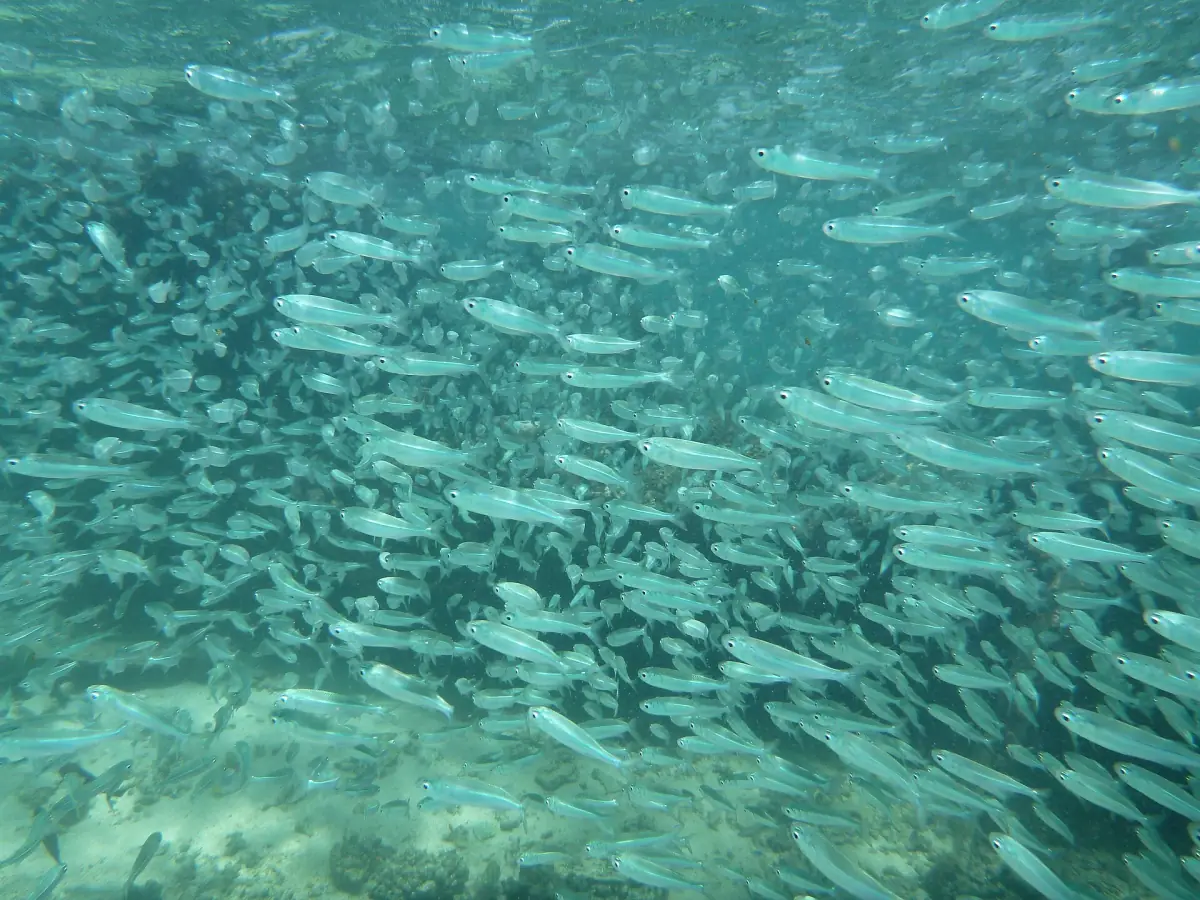
Fish, turtles and dugongs can appear, but sightings are never guaranteed.
Boat trips, Coral Bay and next steps
When the beach is not the right option.
Boat trips reach parts of the reef that you cannot swim to. Dive Ningaloo lists a Westside trip for A$275 for snorkellers, including equipment, guides, lunch, snacks and drinks (2026). Ningaloo Discovery describes an island snorkel trip to the Muiron Islands from Bundegi, about 30 minutes by boat. That is an offer description, not proof of a trip on a given day. Check road notices for Bundegi access before you go.
Coral Bay, at the southern end of the reef, is a separate base with year-round manta snorkel tours. The Coral Bay guide covers it. For certified and introductory diving, see diving at Ningaloo.
Ningaloo reef snorkelling: frequently asked questions
Where is the best place to snorkel at Ningaloo?
It depends on tide, current and your experience. Turquoise Bay, Oyster Stacks and Lakeside are the main beach spots in Cape Range National Park. Each has its own rules, summarised in the table above.
Can beginners snorkel at Turquoise Bay?
Treat it with care. Strong currents are possible, especially near the sand spit, and people without experience should not swim or snorkel there when the current is strong. Stay at or near the beach, and never go alone.
When can I snorkel at Oyster Stacks?
Only at high tide with at least 1.2 m of water. Do not go at low tide. Check tide times and heights at the Milyering Discovery Centre.
Do I need to pay to snorkel?
Entering Ningaloo Marine Park is free. Driving into Cape Range National Park costs A$17 per vehicle with up to 12 occupants in 2026, or A$10 with a concession. On foot or by bicycle there is no entry fee.
Can I rent snorkel gear?
The Milyering Discovery Centre has a shop and snorkel hire. Tour operators also list gear in some trips, so check what your tour includes.
Is the reef healthy after the bleaching?
Damage was serious at surveyed sites in 2025, and a fully recovered reef cannot be assumed. Conditions differ by site, so expect variety rather than a uniform reef.